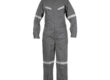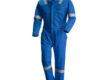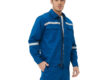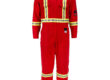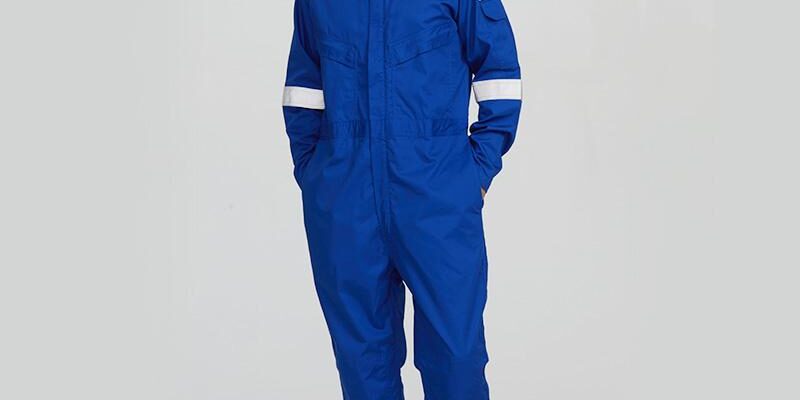
FR Clothing for Oil & Gas: Meeting Industry-Specific Safety Requirements
Introduction: Why Oil & Gas Requires Special Protection
The oil & gas sector is one of the most high-risk industries worldwide. Workers face constant exposure to flash fires, electrical hazards, and flammable chemicals. For procurement managers, selecting the right flame-resistant (FR) clothing is not simply about compliance—it’s about ensuring lives are protected on the job site.
In this article, we’ll explore the unique safety requirements in the oil & gas sector and what buyers must demand when sourcing FR clothing in bulk.
🔥 The Nature of Hazards in Oil & Gas
Oil & gas environments expose workers to multiple hazards:
-
⚡ Arc Flash: Risk from energized electrical equipment.
-
🔥 Flash Fire: Sudden bursts of flame caused by vapor ignition.
-
🛢️ Chemical Exposure: Contact with flammable or corrosive liquids.
-
🌡️ Extreme Heat: Outdoor and refinery environments increase thermal stress.
FR clothing serves as the last line of defense against these hazards, providing critical seconds for workers to react and escape.
📑 Key Safety Standards for FR Clothing in Oil & Gas
-
NFPA 2112 (U.S.):
Sets minimum requirements for garments protecting against flash fire exposure. -
NFPA 70E (U.S.):
Defines arc flash PPE categories to safeguard electrical workers. -
EN ISO 11612 (Europe):
Covers protection against heat and flame, including convective and radiant heat. -
IEC 61482:
International standard for arc flash protection, widely accepted in global procurement.
Meeting these standards is non-negotiable for any FR clothing program in oil & gas operations.
🧵 Fabric and Garment Requirements
When sourcing FR clothing for oil & gas, procurement teams should demand:
-
🧵 Inherent FR Fabrics: Built-in flame resistance that doesn’t wash out.
-
🛡️ Durable Construction: Reinforced seams, bartacks, and heavy-duty zippers.
-
🌬️ Breathability: Lightweight materials that reduce heat stress in hot climates.
-
💧 Chemical Resistance: Additional protective coatings when needed.
-
👕 Layering Options: Coveralls, jackets, and base layers designed to work together.
These features ensure garments can withstand both daily wear and emergency scenarios.
👷 Industry Applications of FR Clothing
FR clothing plays different roles across oil & gas sectors:
-
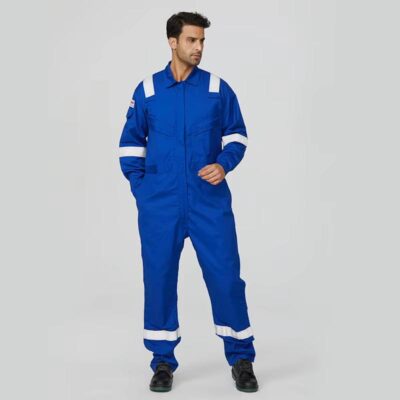
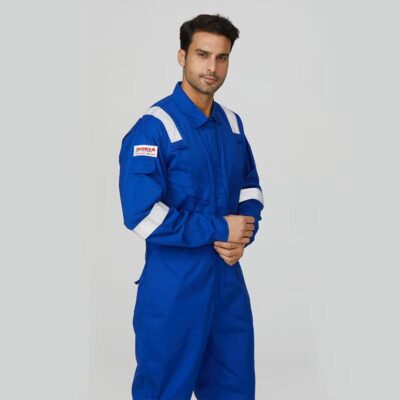
🏭 Refineries: Coveralls with chemical-resistant finishes for high-exposure zones.
-
🛢️ Offshore Rigs: Insulated FR jackets and pants designed for harsh weather.
-
⚡ Electrical Maintenance: Arc-rated garments to prevent burn injuries.
-
🚚 Transport & Logistics: Lightweight FR uniforms for tanker and pipeline crews.
A tailored sourcing strategy ensures each department receives garments suited to their specific risk environment.
📦 Procurement Best Practices
To maximize ROI and ensure compliance, buyers should:
-
📑 Request Certification Documents: Verify garments meet NFPA/EN/IEC standards.
-
🧽 Check Laundering Durability: Ensure flame resistance lasts through repeated washes.
-
📉 Plan Replacement Cycles: Build budgets around expected garment lifespan.
-
🎨 Integrate Branding: Logos and colors can be added without compromising FR protection.
Such practices guarantee a cost-effective and compliant supply chain.
🌐 Partnering with Trusted Suppliers
Not all suppliers understand the unique demands of oil & gas. Partnering with experienced Workwear Manufacturers ensures reliable bulk supply across categories.
For industry-specific compliance, specialized FR Clothing Manufacturers provide garments tested against flash fire and arc flash standards, tailored to oil & gas environments.
Conclusion: Safety and Compliance as Procurement Priorities
In oil & gas, the stakes are high. FR clothing is not just another uniform—it is a life-saving investment.
🔎 By understanding hazards, demanding certified garments, and partnering with trusted manufacturers, procurement teams can deliver protection, compliance, and long-term cost efficiency.
The right FR clothing program doesn’t just meet standards—it sets the standard for safety in oil & gas operations.