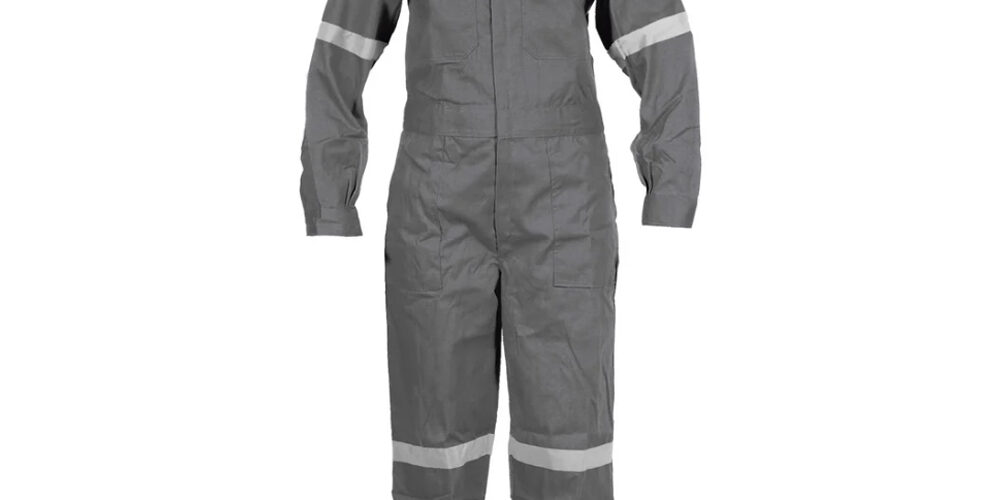
Safety Benefits of Coveralls in Manufacturing and Oilfield Operations
Introduction: Why Coveralls Remain Essential
In high-risk industries like manufacturing and oilfield operations, protective workwear is not optional—it is a vital layer of defense. Among various PPE choices, coveralls stand out for their ability to provide comprehensive coverage, hazard resistance, and professional uniformity.
For procurement managers, sourcing durable and compliant coveralls ensures not only worker safety but also regulatory compliance and cost efficiency.
👷 Comprehensive Body Protection
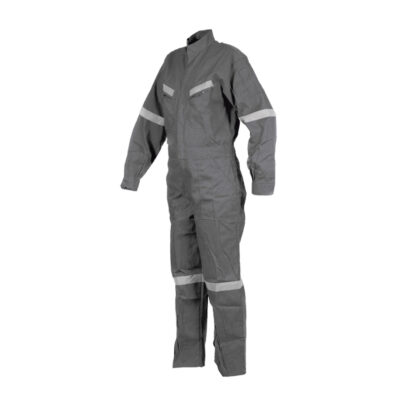
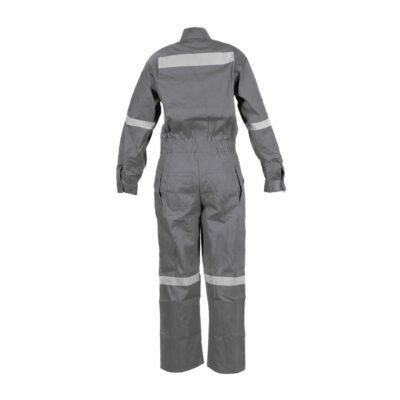
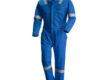
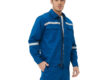
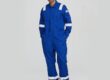
Coveralls are designed as one-piece garments, protecting the torso, arms, and legs. This eliminates gaps between shirts and trousers, reducing risk exposure.
Safety benefits include:
-
🛡️ Full Coverage: Shields workers from sparks, debris, and chemical splashes.
-
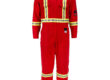
🔥 Optional FR Properties: Flame-resistant coveralls minimize burn risks in oil & gas.
-
💧 Contamination Control: Ideal for handling dust, grease, or liquid chemicals.
By reducing points of exposure, coveralls enhance worker confidence in hazardous environments.
🔥 Specialized Protection for Oilfield Operations
Oilfield environments present unique dangers, from flash fires to chemical spills. FR coveralls play a critical role here:
-
⚡ Arc Flash Protection: Essential for electrical maintenance and rig work.
-
🔥 Flash Fire Resistance: Provides critical escape time during vapor ignition.
-
🛢️ Oil & Chemical Resistance: Treated fabrics withstand spills and harsh conditions.
-
🌬️ Harsh Weather Adaptability: Insulated or breathable options for varying climates.
Without certified coveralls, workers face significant risks that compromise both safety and compliance.
🏭 Manufacturing Environments: Safety and Efficiency
In manufacturing plants, workers encounter machinery, moving parts, and chemical exposure. Coveralls help by:
-
🔧 Preventing Entanglement: Streamlined designs reduce snagging hazards.
-
💪 Durability: Heavy-duty fabrics withstand sparks, abrasions, and friction.
-
🧴 Cleanliness: Protects clothing and skin from oils, dust, and solvents.
-
👔 Professional Image: Creates a consistent look for teams across large facilities.
Coveralls improve not just safety but also operational efficiency and employee morale.
📊 Comparing Coveralls to Two-Piece Workwear
| Feature | Coveralls | Two-Piece Uniforms |
|---|---|---|
| Coverage | ⭐⭐⭐⭐⭐ Full-body | ⭐⭐ Limited (gaps possible) |
| Hazard Protection | ⭐⭐⭐⭐⭐ High | ⭐⭐⭐ Moderate |
| Comfort in Hot Weather | ⭐⭐ Moderate | ⭐⭐⭐⭐ Cooler |
| Professional Image | ⭐⭐⭐⭐ Consistent | ⭐⭐⭐ Flexible |
| Best Applications | Oil & Gas, Heavy Industry | Warehousing, Retail, Logistics |
🧵 Fabric and Stitching Quality: A Buyer’s Checklist
When sourcing coveralls, buyers should prioritize:
-
🧵 Reinforced Seams: Double-stitching and bartacks for durability.
-
💎 High-GSM Fabrics: Strong cotton, poly-cotton blends, or synthetics.
-
🔥 Certified FR Materials: Tested against NFPA, EN ISO, and IEC standards.
-
🔒 Heavy-Duty Closures: Reliable zippers and snaps for long-term use.
These specifications ensure coveralls meet both safety and cost-efficiency targets.
🌐 Partnering with Trusted Suppliers
Durable safety gear starts with experienced suppliers who understand industry needs. For cross-category procurement, Workwear Manufacturers provide scalable sourcing solutions.
For specialized oilfield and manufacturing needs, dedicated Coveralls Manufacturers supply garments engineered for hazard resistance, durability, and compliance.
Conclusion: Coveralls as a Strategic Investment
Coveralls deliver more than just protection—they are strategic assets that support workplace safety, compliance, and productivity.
🔎 For oilfield workers, they provide flame and chemical resistance.
🔎 For manufacturing staff, they offer durability, cleanliness, and uniformity.
By partnering with reliable manufacturers, procurement leaders ensure that their teams are equipped with coveralls that protect lives, reduce risks, and maximize ROI.