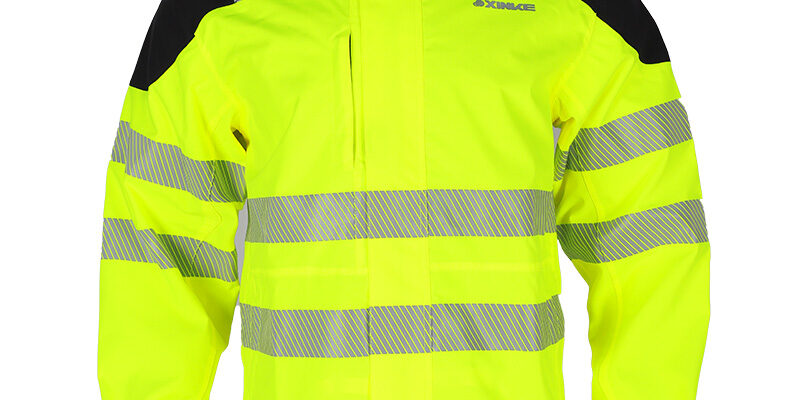
The Role of Reflective Jackets in Reducing Workplace Incidents
Introduction: Visibility as a Critical Safety Factor
In industries like construction, logistics, oil & gas, and utilities, workplace incidents often occur because workers are not easily visible to colleagues or heavy machinery operators. Reflective jackets address this issue head-on by providing high-visibility protection that reduces risks and enhances compliance with safety regulations.
For procurement managers, investing in reflective jackets is not just about meeting standards—it’s about actively reducing incidents and protecting lives.
🌟 How Reflective Jackets Improve Workplace Safety
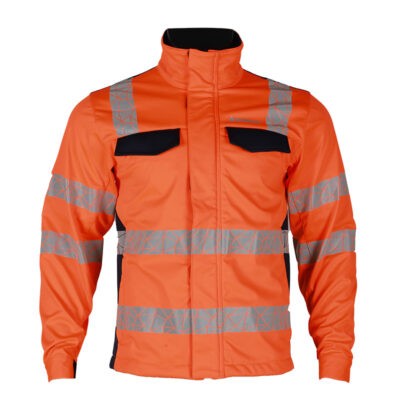
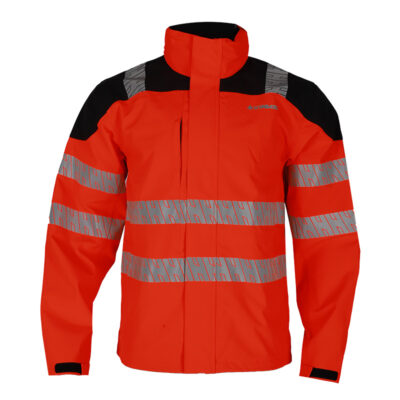
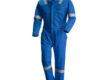
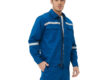
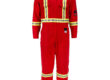
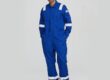
Reflective jackets are designed with fluorescent fabrics and reflective tape, ensuring workers stand out in any lighting condition.
Key safety advantages include:
-
🌞 Daytime Visibility: Bright fluorescent colors enhance recognition in busy worksites.
-
🌙 Nighttime Safety: Reflective strips catch light from vehicles, equipment, or lamps.
-
🔄 360° Coverage: Tape placement across chest, back, and arms ensures all-angle visibility.
-
🚧 Accident Prevention: Reduces collisions in high-traffic zones.
By improving visibility, reflective jackets help mitigate one of the most common causes of workplace accidents—human error due to poor recognition.
📑 Compliance with International Standards
Workplace safety regulations often require reflective jackets in high-risk environments. Buyers must ensure garments comply with:
-
🌍 EN ISO 20471 (Europe): Defines requirements for high-visibility safety apparel.
-
🇺🇸 ANSI/ISEA 107 (U.S.): Classifies reflective clothing into performance categories.
-
🏗️ Industry-Specific Regulations: Some sectors demand FR-rated reflective jackets for dual hazard protection.
By sourcing certified garments, procurement managers safeguard both workers and corporate liability.
🧵 Balancing Safety with Comfort
One challenge in large-scale uniform programs is ensuring worker adoption. Reflective jackets must be designed for comfort as well as compliance.
Important features include:
-
🌬️ Breathable Fabrics: Ventilation prevents overheating during long shifts.
-
❄️ Insulation Options: For workers exposed to cold outdoor conditions.
-
🧵 Durability: Reinforced seams and wash-resistant tapes maintain long-term effectiveness.
-
👕 Ergonomic Fit: Ensures full range of motion without restricting mobility.
Comfortable jackets mean higher compliance, reducing the risk of workers removing gear during operations.
📊 Industry Applications and Benefits
Reflective jackets significantly reduce workplace incidents in:
-
🏗️ Construction Sites: Prevents collisions with machinery and vehicles.
-
🚚 Logistics & Warehousing: Keeps forklift drivers and dock workers visible.
-
🛢️ Oil & Gas Operations: Enhances safety during night shifts and emergency scenarios.
-
⚡ Utilities & Roadwork: Ensures crews remain visible in high-traffic zones.
For procurement teams, these jackets represent a proactive safety investment that lowers accident rates across multiple industries.
🌐 Partnering with the Right Suppliers
Choosing the right supplier ensures reflective jackets meet both compliance and long-term durability requirements. For multi-category sourcing, Workwear Manufacturers provide scalable procurement solutions.
For specialized visibility needs, trusted Reflective Jacket Manufacturers deliver garments that combine certification, durability, and ergonomic design for bulk supply programs.
Conclusion: Reducing Risks with Smarter Procurement
Reflective jackets are not just uniforms—they are safety tools that directly contribute to lowering workplace incident rates.
🔎 By improving visibility, ensuring compliance, and prioritizing comfort, procurement managers can significantly reduce risks while enhancing workforce confidence.
Ultimately, reflective jackets represent a strategic investment that protects employees, strengthens compliance, and improves ROI in industrial safety programs.