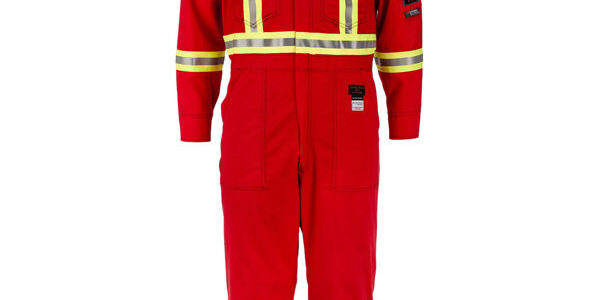
Care and Maintenance Tips for Extending the Life of FR Workwear
Introduction: Why Proper Care Matters
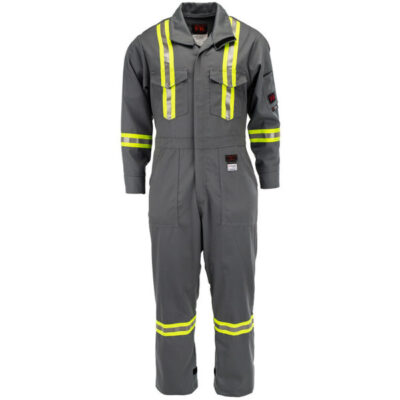
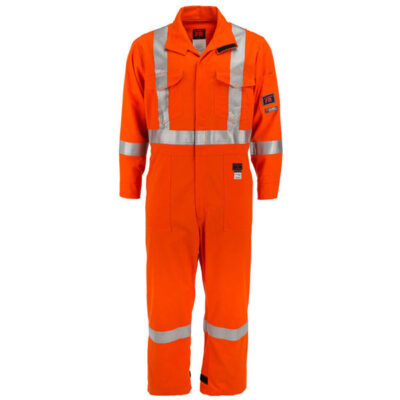
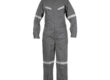
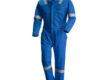
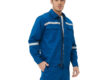
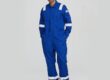
Flame-resistant (FR) clothing is a lifesaving layer of protection in industries like oil & gas, construction, and utilities. But even the best garments won’t perform effectively if not properly cared for. Procurement managers and safety officers must ensure that workers understand correct laundering, inspection, and replacement practices to extend the life of FR workwear and maintain compliance with safety standards.
🧵 Understanding FR Clothing Durability
Unlike standard uniforms, FR garments are engineered with either:
-
🔥 Inherent FR fibers (where resistance is part of the fabric).
-
🧪 Treated fabrics (cotton or blends with chemical flame-retardant finishes).
Both require specific care to maintain protective properties. The wrong detergents, heat, or wash methods can weaken resistance, leading to safety risks and premature replacement.
🧼 Laundering Best Practices for FR Workwear
Proper laundering is the foundation of garment longevity. Buyers should communicate these tips to employees and industrial laundry providers:
-
🚫 Avoid Bleach and Peroxide: These chemicals degrade FR treatments.
-
🧽 Use Mild Detergents: Non-ionic or phosphate-free detergents preserve fibers.
-
🌬️ Dry on Low Heat or Line Dry: Excessive heat weakens fibers and reduces garment life.
-
🔄 Wash Separately: Keep FR garments away from non-FR items that may carry flammable contaminants.
-
🧺 No Fabric Softeners or Starch: They leave residues that reduce flame resistance.
Consistent laundering protocols can double the effective lifespan of FR clothing.
🔍 Routine Inspections and Monitoring
Beyond cleaning, companies must adopt a program of regular inspections to keep garments safe and serviceable:
-
👀 Check Seams and Stitching: Weak spots or frays can compromise protection.
-
🩹 Look for Fabric Thinning or Holes: Signs the garment should be retired.
-
🧯 Test Reflective Elements: Ensure vests and jackets still meet visibility standards.
-
📅 Set Replacement Intervals: Build replacement cycles into procurement planning.
Inspection programs reduce liability and keep workers protected at all times.
📦 Storage and Handling Guidelines
Improper storage can shorten garment life before it’s even worn. Companies should:
-
🌡️ Store in Cool, Dry Areas: Avoid dampness and UV exposure.
-
📦 Use Proper Hangers: Prevent stretching or damage from folding.
-
🚫 Keep Away from Contaminants: Avoid contact with oils, chemicals, or flammable residues.
These practices are easy to implement yet make a big difference in garment lifespan.
💰 ROI of Proper Care
Procurement teams often focus on initial purchase costs, but long-term value comes from reducing replacement frequency. Well-maintained FR clothing:
-
📉 Lowers total procurement costs.
-
⏱️ Minimizes downtime from garment failures.
-
🌍 Supports sustainability by reducing waste.
Good maintenance not only protects workers—it also strengthens the company’s financial efficiency and compliance track record.
🌐 Partnering with the Right Suppliers
Durability starts with quality manufacturing. Partnering with experienced Workwear Manufacturers ensures garments are engineered for long-term use.
For specialized protection, trusted FR Clothing Manufacturers provide certified garments tested for NFPA, EN ISO, and IEC standards, ensuring both safety and durability in high-risk industries.
Conclusion: Maintenance as a Safety Strategy
FR clothing is more than just apparel—it’s a strategic safeguard against life-threatening hazards. Extending its lifespan through proper laundering, inspections, and handling is not only cost-effective but also essential for maintaining compliance.
🔎 For procurement managers, adopting a care-focused strategy means fewer replacements, safer workers, and stronger ROI. In high-risk industries, maintenance is not optional—it’s part of the safety equation.